Useful applications, honest limits and privacy questions
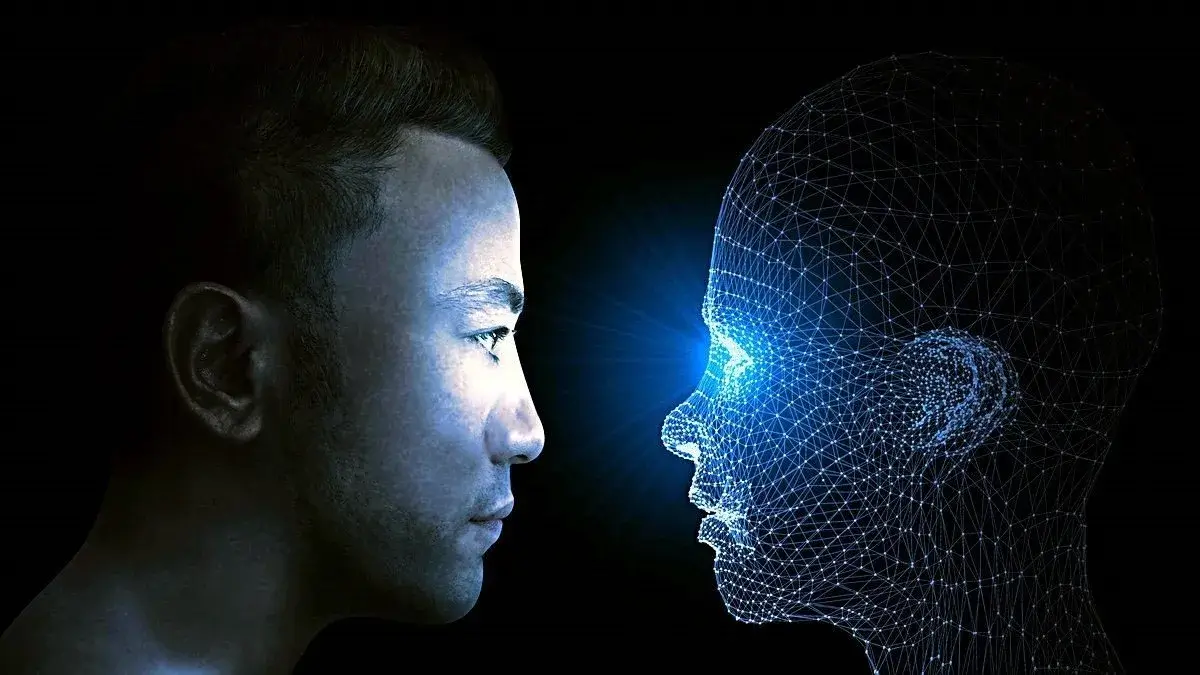
Computer vision is software that interprets images and video. Combined with AI, it can turn camera feeds into information that supports decisions.
What it can do
- Detect and count objects, vehicles or people in a space.
- Track movement, for example to understand how a space is used.
- Support safety checks and quality inspection.
- Recognise faces, where this is lawful and appropriate.
Where it falls short
Results depend on camera placement, lighting and the data a system was trained on. No system is perfect, so important decisions should keep a human in the loop and accuracy should be measured on your own site, not only in a demo.
Privacy comes first
Video and facial data are personal data. Before deploying, decide why you need it, tell people it is happening, limit who can see it, and secure it. Check the requirements of the local data-protection law, including Qatar's personal data privacy law, and take legal advice for sensitive uses.
Questions to ask first
- Which decision will this support, and how will we know it works?
- Where does the video go, and who can access it?
- How is accuracy measured, and what happens when the system is wrong?
InnoHub Visionary applies computer vision solutions for object detection, facial recognition and motion tracking. Talk to us about a use case.